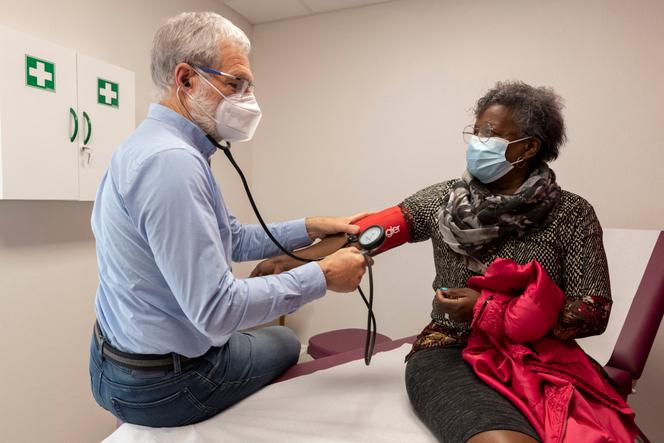
Navigating medical care, describing physical symptoms, and handling health emergencies in a foreign language can feel overwhelming. However, clear communication with healthcare professionals is vital for receiving accurate treatment, obtaining correct prescriptions, and ensuring your safety.
Having a strong command of medical vocabulary allows you to explain exact symptoms, understand diagnosis details, and handle urgent situations with calm authority.
Introduction
Medical consultations and emergency services in France follow organized procedures designed to prioritize patient safety and quick care. Whether you need to visit a local pharmacy for minor ailments, schedule an appointment with a general practitioner, or seek urgent care at a hospital, using precise terminology helps medical staff assess your condition rapidly. This guide provides the essential French vocabulary required to describe health issues, communicate with doctors, navigate hospital visits, and handle medical emergencies effectively.
Click here to become a fluent French speaker in record time.
1. Urgent Care and Emergency Phrases
In critical situations, speed and clarity are paramount. Knowing how to call for emergency help is the most important skill in medical communication.
Au secours ! This phrase translates to Help! It is the universal shout for immediate assistance in emergency situations.
Appelez une ambulance ! This urgent request means Call an ambulance! In France, emergency medical response services are reached by dialing 15 for SAMU (medical emergency) or 112 for the general European emergency number.
C’est une urgence ! This phrase means It is an emergency! Use this to immediately signal the severity of the situation to bystanders or dispatchers.
Les urgences This noun phrase refers to the hospital emergency room or emergency department. If you need to go directly to the hospital, you can say, “Emmenez-moi aux urgences” (Take me to the emergency room).
J’ai besoin d’un médecin immédiatement This direct statement translates to I need a doctor immediately.
2. Describing Symptoms and Pain
Communicating where you feel pain and how severe it is allows doctors to make accurate diagnostic decisions.
Où avez-vous mal ? This question means Where does it hurt? The doctor or nurse will often ask this during your initial assessment.
J’ai mal à… This essential sentence starter means I have pain in… or My … hurts. You complete the phrase with the body part using the correct prepositions, such as “J’ai mal à la tête” (I have a headache) or “J’ai mal au ventre” (I have a stomachache).
Une douleur aiguë / une douleur sourde These descriptions mean a sharp pain / a dull ache. Specifying the type of pain helps medical staff evaluate your condition.
La fièvre This noun means fever. You can tell a practitioner, “J’ai de la fièvre depuis ce matin” (I have had a fever since this morning).
Avoir des nausées / Vomir “Avoir des nausées” means to feel nauseous, while “vomir” is the verb meaning to vomit.
Des vertiges This noun refers to dizziness or vertigo. You can state, “J’ai des vertiges quand je me lève” (I feel dizzy when I stand up).
3. Medical Conditions, Allergies, and History
Providing your background health details ensures safe administration of medicines and treatments.
Une allergie This noun means an allergy. It is critical to state allergies clearly by saying, “Je suis allergique à la pénicilline” (I am allergic to penicillin).
Une maladie chronique This phrase refers to a chronic condition or pre-existing illness, such as diabetes or asthma.
L’asthme / Le diabète These medical terms mean asthma and diabetes, respectively.
Enceinte This adjective means pregnant. Females should inform medical staff if they are pregnant before undergoing scans or receiving prescription medications.
La tension artérielle This phrase translates to blood pressure. A practitioner might check your “tension” to evaluate your health status.
4. Navigating the Pharmacy and Prescriptions
For minor illnesses or after a doctor visit, you will interact with a local pharmacy to obtain medications.
La pharmacie In France, pharmacies are marked by a green cross sign and serve as the first line of care for minor ailments. Pharmacists are highly trained professionals qualified to offer medical advice.
Une ordonnance This noun means a medical prescription. In France, many effective medications require an official prescription from a doctor before a pharmacist can dispense them.
Un médicament This word means a medicine or medication.
Un antidouleur / Un anti-inflammatoire These terms refer to painkillers (pain relievers) and anti-inflammatory medications.
Un pansement / Une compresse “Un pansement” refers to an adhesive bandage or plaster, while “une compresse” refers to a sterile gauze pad.
5. Doctor Visits and Consultations
Booking a routine appointment or visiting a clinic involves specific administrative phrases.
Un médecin généraliste This term refers to a general practitioner (GP) or family doctor.
Prendre un rendez-vous This phrase means to schedule an appointment. You can say, “Je voudrais prendre un rendez-vous avec le docteur, s’il vous plaît” (I would like to make an appointment with the doctor, please).
Une consultation This noun refers to the medical appointment or check-up itself.
La Carte Vitale / L’assurance maladie “La Carte Vitale” is the health insurance card used by French residents to access state healthcare. Travelers should present their international insurance documents or European Health Insurance Card (EHIC).
La feuille de soins This refers to a official medical treatment form provided by healthcare professionals for expense reimbursement claims.
Conclusion
Expressing health concerns clearly in French is essential for receiving effective care and navigating medical settings safely. By knowing how to use phrases like “j’ai mal à,” requesting “une ordonnance,” and communicating emergency needs clearly, you can handle medical situations with composure. Keep these vital terms accessible so you can protect your health and well-being wherever you travel across the Francophone world.
Click here to become a fluent French speaker in record time.
Read Our Recent Posts

Speak French In 3 Months
SpeakFrenchFast Academy
All Rights Reserved.