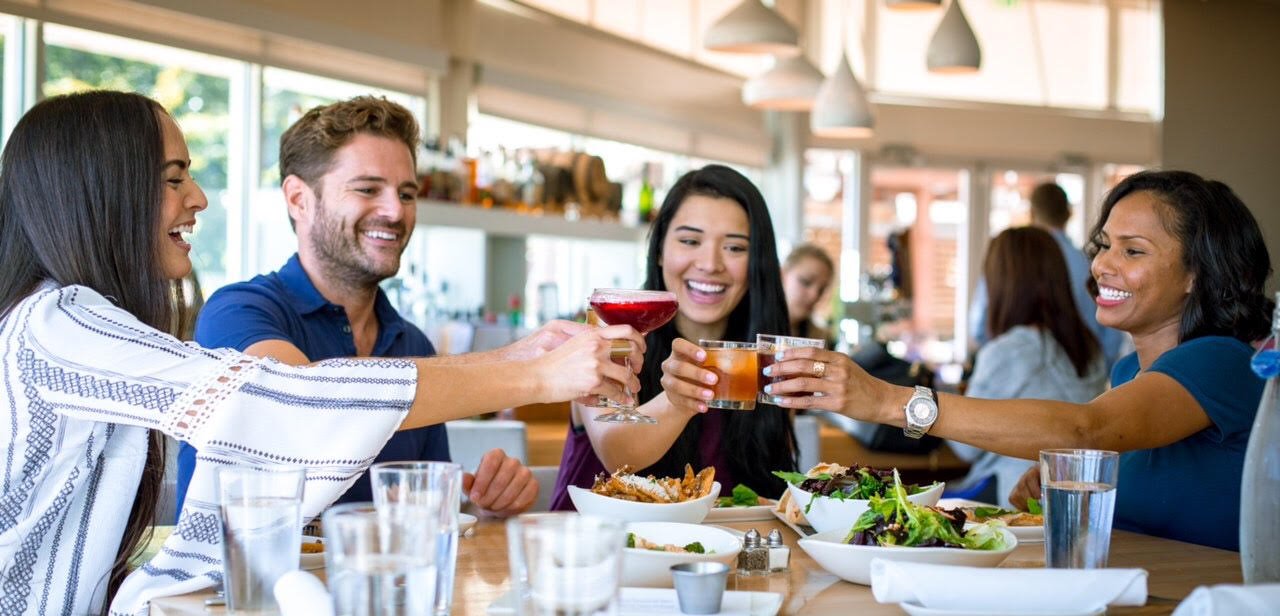
Dining out in France is one of the ultimate joys of visiting or living in the country. From cozy neighborhood bistros to high-end Michelin-starred establishments, food is treated with profound respect.
To fully enjoy your meal without feeling flustered, you need to understand French dining etiquette and possess the right vocabulary to navigate menus, place orders, make special requests, and handle the bill smoothly.
Introduction
Eating at a French restaurant is an experience designed to be savored rather than rushed. Waitstaff in France are career professionals who take pride in providing attentive yet unobtrusive service. Because dining is structured around specific rituals, knowing how to reserve a table, understand course progression, communicate dietary preferences, and ask for the check will ensure you feel welcome and relaxed throughout your meal. This comprehensive guide covers all the essential French vocabulary you need for a confident dining experience.
Click here to become a fluent French speaker in record time.
1. Reserving and Arriving at the Restaurant
Before sitting down to eat, you must navigate entering the restaurant and securing your table.
Je voudrais réserver une table pour deux personnes This phrase translates to I would like to reserve a table for two people. It is the perfect line to use when calling ahead or booking in person.
Avez-vous une table pour deux personnes ? This question means do you have a table for two people? Use this when arriving without a prior reservation to see if seating is available.
J’ai réservé au nom de… This means I have a reservation under the name of… Handing over your reservation name promptly allows the host to guide you to your table.
En terrasse ou en salle ? This question means on the terrace or inside? The host might ask where you prefer to sit. You can reply with “En terrasse, s’il vous plaît” (On the terrace, please) or “En salle” (Inside).
2. Navigating the French Menu
Understanding how a French menu is structured helps you order a balanced and traditional meal.
La carte / Le menu In French, la carte refers to the full menu where items are ordered individually (à la carte). Le menu usually refers to a fixed-price set meal that includes specific course options.
La formule This term refers to a streamlined set option, very common during weekday lunches, which usually combines an entrée and a main dish, or a main dish and a dessert, for a set price.
L’entrée Unlike in American English where this means the main dish, in French l’entrée is strictly the appetizer or first course.
Le plat principal This translates to the main course or main dish.
Le dessert This refers to the final sweet course of the meal, often following a traditional cheese selection.
Les boissons This noun simply means drinks or beverages.
3. Ordering Drinks and Water
Water and wine service follow specific traditions at French tables.
Une carafe d’eau, s’il vous plaît This crucial phrase means a pitcher of tap water, please. Tap water in France is safe, complimentary, and standard practice to request alongside your meal.
De l’eau gazeuse / de l’eau plate This means sparkling water / still bottled water. If you prefer bottled mineral water over tap water, specify one of these choices.
Un verre de vin rouge / blanc / rosé This simple ordering phrase translates to a glass of red / white / rosé wine.
Un pichet de vin This means a small pitcher of house wine, which is an economical and delicious option for sharing at lunch or dinner.
4. Placing Your Meal Order
When the waiter returns to your table, you can use these core phrases to order your courses clearly.
Vous êtes prêts à commander ? This means are you ready to order? Waitstaff will ask this once you have had time to review the menu.
Je vais prendre… This translates to I will have… It is the most natural and polite way to state what item you want to order.
Qu’est-ce que vous me conseillez ? This question means what do you recommend? Use this to ask your waiter for their personal favorite or the chef’s specialty.
Le plat du jour This translates to the daily special. It features fresh, seasonal ingredients chosen by the chef that morning.
5. Specifying Meat Preparation
If you order steak or other meats, the server will ask how you would like it cooked (“Quelle cuisson ?”).
Bleu This means extra rare, cooked very briefly on the outside while remaining cool and red on the inside.
Saignant This translates to rare, leaving the meat juicy and red in the middle.
À point This means medium-rare to medium, which is the most recommended cooking level for tenderness in French cooking.
Bien cuit This translates to well-done. Note that ordering meat well-done is quite uncommon in traditional French cuisine.
6. Dietary Restrictions and Special Requests
Communicating food allergies or dietary preferences ensures your meal is safe and enjoyable.
Je suis végétarien / végétarienne This phrase means I am vegetarian (male / female speaker).
Je suis végétalien / végétalienne This means I am vegan (male / female speaker).
Je suis allergique à… This crucial phrase translates to I am allergic to… You can finish the sentence with common words like “les arachides” (peanuts), “le gluten” (gluten), or “les produits laitiers” (dairy).
Sans gluten, s’il vous plaît This direct request means gluten-free, please.
7. Asking for the Bill and Leaving
In France, servers will never bring the bill to your table until you explicitly ask for it, as rushing guests is considered bad service.
L’addition, s’il vous plaît This translates to the check, please. It is the standard, polite phrase to request your bill when you are finished.
Est-ce que le service est compris ? This means is the service charge included? In France, a service fee is automatically included by law on all restaurant bills.
Vous acceptez la carte bancaire ? This question translates to do you accept credit cards? It is always useful to confirm before paying, especially in tiny countryside cafes.
Gardez la monnaie This phrase means keep the change. While tipping is not mandatory due to the built-in service charge, leaving small loose change is a nice gesture for great service.
C’était délicieux ! This compliment means it was delicious! Leaving a positive comment brings a warm smile to the entire staff.
Conclusion
Dining in France is an enriching cultural ritual that becomes far more pleasurable when you know how to navigate the service. By mastering how to request tap water, specify your meat preference, understand course terms, and ask for the bill politely, you can dine with absolute confidence. Enjoy your food, take your time, and bon appétit!
Click here to become a fluent French speaker in record time.
Read Our Recent Posts

Speak French In 3 Months
SpeakFrenchFast Academy
All Rights Reserved.