Introduction
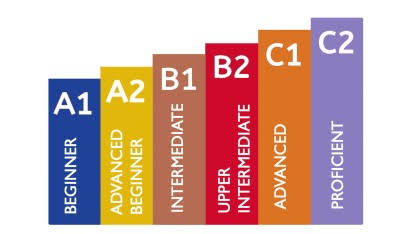
If you are learning French, you have likely run into the letters A1, A2, B1, and B2. These codes belong to the Common European Framework of Reference for Languages, which is just an official name for an international language scale. Language schools, test centers, and visa offices use these levels to measure exactly how well you communicate.
For many learners, these letters feel abstract and confusing. What does it actually feel like to move from one level to the next? How does your daily speech transform as you climb the ladder? Understanding the practical differences between these four key stages helps you set clear goals, measure your real growth, and see exactly where you stand on your path to fluency.
Click here to become a fluent French speaker in as little as 3 months time.
1. Level A1: The Tourist and Survival Stage
Level A1 is where every single French learner begins. At this stage, your French is focused strictly on surviving basic, everyday situations using simple, rehearsed phrases.
At A1, you learn to introduce yourself, state your nationality, share your age, and count to one hundred. You can order a simple coffee at a café, buy a loaf of bread, ask how much an item costs, and read clear street signs. However, your sentences are short, isolated blocks like Je m’appelle Thomas or Un croissant, s’il vous plaît. Communication only works if the other person speaks very slowly, uses simple words, and shows plenty of patience to help you along.
2. Level A2: The Basic Daily Routines Stage
Reaching level A2 means you have officially stepped out of pure survival mode. You can now handle simple, routine tasks and chat about familiar, everyday topics.
The big breakthrough at A2 is that you gain the power of time. You learn how to use the basic past tense (le passé composé) and simple future patterns. This means you can finally tell a friend what you did last weekend, describe what you had for dinner, or explain your plans for tomorrow. You can talk about your family, describe your home, go shopping for clothes, and ask for directions. Your speech is still simple and you make plenty of grammar mistakes, but you can navigate a regular day in France without constant panic.
3. Level B1: The Threshold of Real Independence
Level B1 is the most exciting milestone on the whole language journey. This is where you cross the border into true conversational independence. In fact, many countries require a B1 certificate before granting citizenship because it proves you can function on your own.
At B1, you stop relying on canned phrases and start expressing your own thoughts and feelings. You can describe your hopes, talk about your dreams, and explain your personal opinions on everyday topics like work or travel. If an unexpected problem pops up, like a canceled train ticket or a missing hotel reservation, you have enough vocabulary to explain the problem and ask for a solution. You can also connect your ideas smoothly using words like parce que, donc, and cependant. You still hesitate and search for words, but you no longer need someone to hold your hand through a conversation.
4. Level B2: The Comfort and Real Fluency Stage
Level B2 is what most people picture when they hear the word fluent. Reaching B2 means French is no longer a slow mental translation game; it has become a comfortable tool for daily life, study, and professional work.
At this level, you can speak smoothly and spontaneously without long, awkward pauses. You can understand native French movies, follow fast radio discussions, and read contemporary novels without checking a dictionary on every page. You can jump into debates, explain the pros and cons of complex issues, defend your viewpoint, and understand French humor and sarcasm. Native speakers do not need to slow down or choose easy words for you anymore. You can live, study at a French university, or work in an office with total confidence.
5. How to Move Smoothly From One Level to the Next
Climbing from A1 to B2 requires shifting your study habits as your skills grow. In the beginning, at A1 and A2, structured textbooks, flashcards, and beginner apps are fantastic because you need to build your core vocabulary base quickly.
Once you reach the B levels, however, continuing to tap buttons on an app will keep you stuck. To cross from B1 into B2, you must throw yourself into authentic French media. Start listening to native podcasts, watching French television shows with French subtitles, reading everyday news, and speaking with native speakers as often as possible. Move from studying about the language to actually living inside the language.
Conclusion
The journey from A1 to B2 is an exciting transformation of your voice. A1 gives you the basic tools to survive, A2 lets you share your simple routine, B1 unlocks your personal opinions and independence, and B2 rewards you with natural, relaxed fluency. Focus on one small step at a time, celebrate every little win along the way, and enjoy watching your French grow from hesitant textbook sentences into clear, confident conversations.
Click here to become a fluent French speaker in as little as 3 months time.
Read Our Recent Posts
Speak French In 3 Months
SpeakFrenchFast Academy
All Rights Reserved.