Introduction
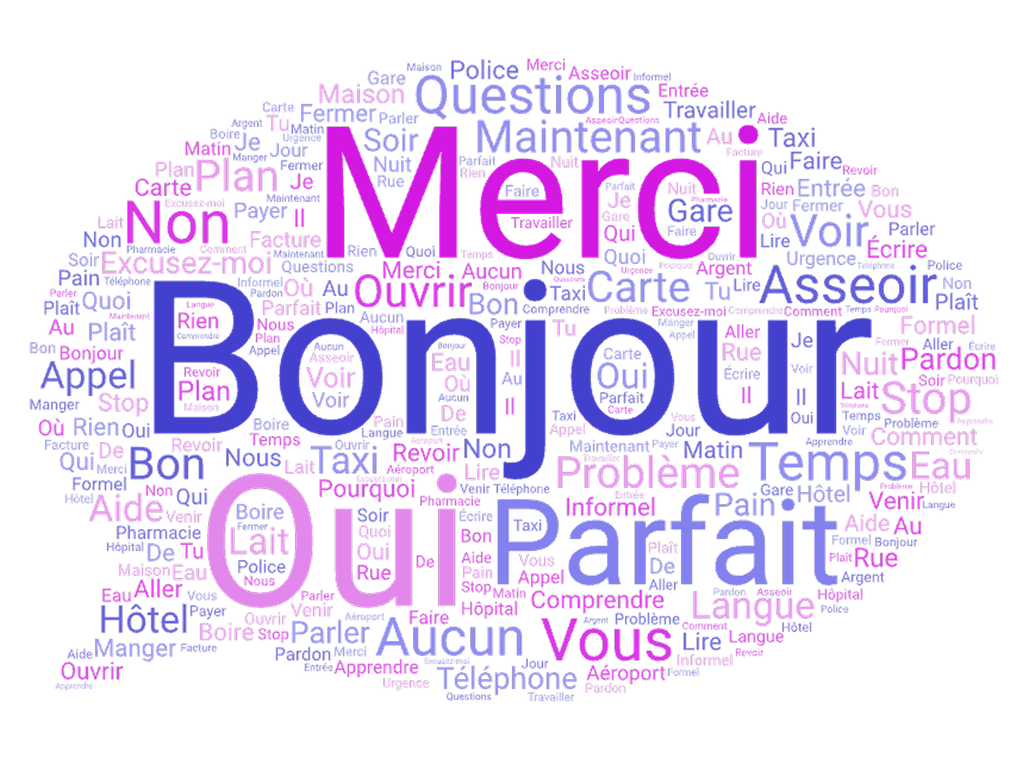
When people decide to learn French, they often imagine giant dictionaries with hundreds of thousands of words. It feels like climbing Mount Everest without any shoes. You think to yourself, how can anyone remember all of this? The fear of this huge vocabulary mountain stops many people before they even get started.
Here is the good news that language schools rarely tell you up front. You do not need to learn the whole dictionary. In fact, native French speakers only use a tiny fraction of their own language in daily life. If you learn the right words instead of just any words, you can start having real, lively conversations much faster than you think.
Click here to become a fluent French speaker in as little as 3 months time.
1. The Magic Rule of Language
There is a famous idea in science called the Pareto Principle, or the eighty-twenty rule. It says that eighty percent of your results come from just twenty percent of your efforts. In language learning, this rule works like pure magic.
A huge dictionary might hold over one hundred thousand French words. Yet in daily life, most people use the same small group of words again and again. Research shows that just the top one thousand most common French words cover about eighty percent of all daily spoken conversations. That means you do not need ten years of studying. You just need to focus on the small group of words that carry the biggest load.
2. The Power of Your First Three Hundred Words
Think of language like building a small house. Your first three hundred words are the solid concrete foundation. Without them, nothing else can stand up.
These three hundred words are not fancy words like philosophy or architecture. They are everyday glue words that hold sentences together. We are talking about basic verbs like to be (être), to have (avoir), and to do (faire). They include simple connectors like but (mais), because (parce que), and with (avec). Once you master these three hundred words, you can make basic sentences, order a warm croissant, ask for a train ticket, and survive a trip to Paris without panic.
3. Hitting the Thousand Word Goldmine
Once you push your vocabulary from three hundred words up to about one thousand words, something amazing happens. You cross the line into conversational independence.
At this level, you can handle almost any normal daily situation. You can chat with a friend about your weekend, describe your job, share what you like to eat, and ask for directions when you are lost. You will still hear words you do not know, of course. But with one thousand words in your pocket, you can do something very clever. You can use simple words to describe the complicated words you do not know yet. If you forget the French word for baker, you can simply say the person who makes bread, and everyone will understand you.
4. Why Three Thousand Words Means Real Freedom
If your dream is to speak French with total confidence, three thousand words is the sweet spot. When you reach this level, you can understand roughly ninety-five percent of general texts, TV shows, and casual street chats.
At three thousand words, you stop feeling like a tourist with a pocket phrasebook. You can tell funny stories, talk about your hopes for the future, understand French jokes, and express your opinions on news topics. You still will not know technical words for fixing a car engine or performing heart surgery, but you will not need them either. Three thousand words gives you enough power to live, work, and make real friends in a French-speaking country.
5. How to Learn the Right Words First
The biggest mistake learners make is learning random word lists. You do not need to memorize fifteen kinds of zoo animals or thirty types of kitchen tools during your first month. You need words you will actually say out loud today.
Start by searching for a French frequency list, which ranks words by how often people actually use them. Learn the top words first. Next, write down the things you talk about in your own native language every single day. If you love cooking, learn cooking words. If you love video games, learn gaming words. When you connect your new vocabulary to your real life, your brain remembers the words effortlessly because they actually matter to you.
6. Focus on Using Words, Not Just Collecting Them
Collecting words in a notebook does not make you fluent. Having fifty words you can use instantly without thinking is much better than having five hundred words you can only recognize on a flashcard.
Language is not about showing off how many words you own. It is about connecting with real human beings. Speak early, make silly mistakes, and use the simple words you already know to get your message across. When you stop chasing the whole dictionary and focus on the vital core, speaking French turns from a scary chore into a fun, exciting game.
Conclusion
You do not need fifty thousand words to speak French. You only need a few hundred to survive, one thousand to chat comfortably, and three thousand to feel totally free. By picking the most common words and using them every single day, you will cut your study time in half and start speaking real French right away.
Click here to become a fluent French speaker in as little as 3 months time.
Read Our Recent Posts
Speak French In 3 Months
SpeakFrenchFast Academy
All Rights Reserved.