Introduction
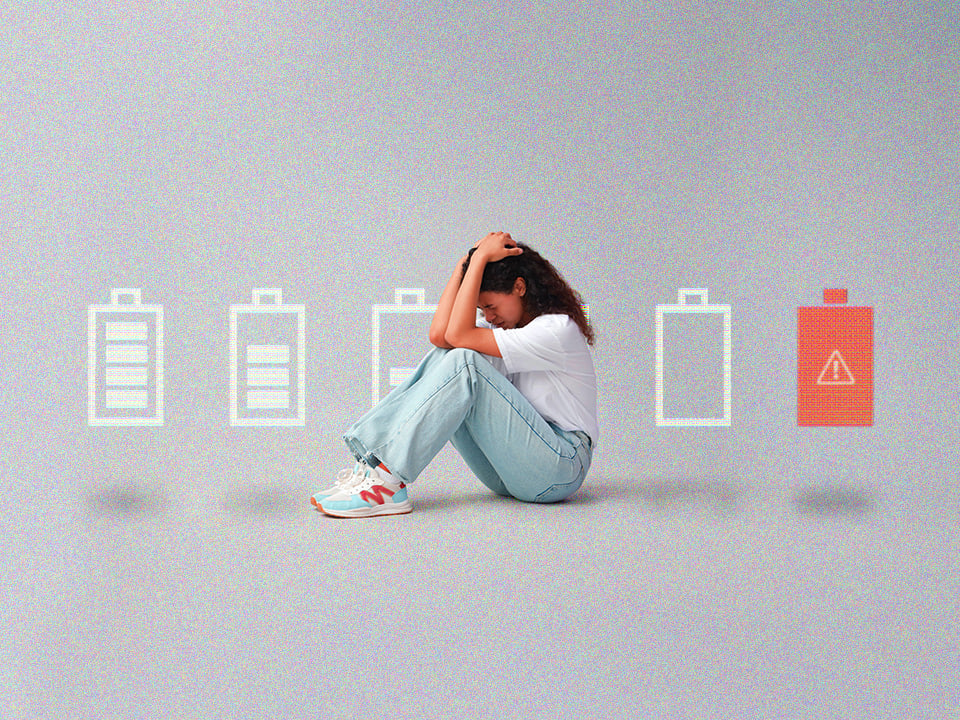
We have all been there. Inspired by a fresh wave of enthusiasm, you promise yourself that this is the month you will finally master French. You build an intense study plan, vow to practice for an hour every single evening, and open a heavy grammar workbook. For the first three days, you push through the fatigue, forcing your brain to process complex conjugation charts after a long, exhausting day at work or school.
But by day five, reality hits. A late meeting, a demanding project, or pure physical exhaustion takes over. You skip one day, which easily turns into a week, and before you know it, your French materials are gathering digital dust. This classic burnout cycle happens because we try to rely on massive, irregular leaps of willpower rather than sustainable, low-friction habits. Your brain is naturally wired to conserve energy and resist tasks that cause cognitive strain. When you tell yourself you need to endure an hour of heavy textbook analysis, your subconscious instantly views it as a mountain to climb, triggering intense procrastination. To learn French without feeling mentally drained, you must lower the friction and shift your approach entirely.
Click here to become a fluent French speaker in record time.
Strip the Complexity and Focus on the Core Engine
When a study routine is overly complex,filled with massive vocabulary lists, multiple apps, and endless rules,it becomes incredibly heavy to maintain. To prevent burnout, you must radically narrow your focus. Stop trying to digest the entire language at once and instead anchor your daily practice around the mechanical execution of the Big Four (être, avoir, faire, aller).
- The Strategy: These four high-velocity verbs handle the heavy lifting of spoken communication. Instead of getting bogged down in advanced tenses, focus on using these anchors to deploy pre-fabricated sentences.
- The Low-Friction Execution: If you only have two minutes of mental energy, do not touch a textbook. Simply speak three short, functional sentences out loud using the core engine, such as “Je vais faire ça” (I am going to do that) or “J’ai beaucoup de choses à faire” (I have a lot of things to do). By lowering the complexity, you keep the language pathways warm in your brain without triggering a mental defense mechanism.
Rely on Pre-Built Conversational Tools
Trying to construct a French sentence word by individual word from scratch during a live conversation creates an immense cognitive load. Your brain has to recall the noun, select the correct gender, conjugate the verb, and arrange the syntax. This internal processing lag is exactly what causes anxiety and mental burnout.
- The Shortcut: Natural speakers do not build every sentence from scratch; they recycle them. They rely heavily on chunks,pre-assembled, multi-word phrases that function as a single unit of meaning.
- The Application: Instead of worrying about complex grammar rules, master versatile, ready-to-use sound blocks like “Je suis en train de…” (I am in the middle of…) or “C’est-à-dire…” (That is to say). By leaning on these pre-fabricated mental pieces, you completely bypass the stress of sentence construction and keep your speech fluid for absolute minimum mental effort.
Replace Textbook Analysis with Physical Rhythms
Language is a physical habit, not a logical puzzle. If you only practice French silently in your head, your tongue, jaw, and vocal cords remain entirely untrained, while your brain overanalyzes the rules. You can remove the cognitive stress of grammar drills by shifting to a physical conditioning exercise.
- The Tool: This is where the shadowing technique becomes essential.
- The Method: Find a brief, engaging three-minute audio clip of a native French speaker. Listen to the track and attempt to repeat the sounds out loud exactly a split second behind them, mimicking their exact pacing, cuts, and intonation.
- The Result: Shadowing requires zero analytical thinking or creative pressure. You aren’t conjugating verbs in your head; you are simply recording the natural “music” of the language into your muscle memory. It turns an frustrating mental chore into an effortless acoustic rhythm drill, keeping your ears and tongue sharp without draining your mental battery.
Conclusion
Language learning does not have to be a stressful uphill battle against your own willpower. Burnout happens when you treat French like an academic history exam instead of a practical, physical habit. By abandoning the high-intensity study plans that lead straight to exhaustion, anchoring your daily engine in the simplicity of the Big Four, leveraging the ease of pre-built chunks, and conditioning your mouth with the shadowing technique, you strip the anxiety away from the process. Stop forcing the language into your head and simply let your mouth get used to the movement.
Click here to become a fluent French speaker in record time.
Read Our Recent Posts
Speak French In 3 Months
SpeakFrenchFast Academy
All Rights Reserved.